Treatment Modalities
The Therapies Behind Healing at Momentum
Every person who comes to Momentum Recovery is more than a diagnosis. Anxiety, depression, and trauma show up differently in everyone, so no two treatment plans look the same. Our clinicians draw from a wide range of proven therapies and match them to each client's history, needs, and goals. As clients move through the phases of our program, their plan evolves with them.
Mental Health & Trauma
Most of the people we work with are carrying something underneath what brought them to us. That's where treatment begins. When we treat the mental health and trauma at the root, the patterns built around them start to loosen.
Each client's plan may include therapies from the groups below.
Trauma-Focused Therapies
Trauma isn't always reachable through conversation alone. These approaches work with the body and the nervous system, as well as the mind, to help clients process what happened and loosen its hold on the present.
EMDR (Eye Movement Desensitization and Reprocessing):
Uses guided eye movements and structured discussion to help the brain reprocess traumatic memories so they feel less overwhelming.
Brainspotting:
Helps clients locate and process unresolved trauma by focusing on specific points in their visual field connected to difficult experiences.
Somatic Experiencing:
Works through the mind-body connection to release the stress and tension that trauma leaves behind.
Psychodrama:
Clients act out meaningful experiences from their past in a supported group setting, giving them a chance to see those moments differently and respond in new ways.
Skills-Based Therapies
These therapies give clients practical tools they can use every day, during treatment and long after.
CBT (Cognitive Behavioral Therapy):
Helps clients recognize and change the thought and behavior patterns that fuel anxiety, depression, and avoidance.
DBT (Dialectical Behavior Therapy):
Builds skills in mindfulness, distress tolerance, emotional regulation, and navigating relationships.
ACT (Acceptance and Commitment Therapy):
Uses mindfulness to help clients make room for difficult emotions instead of fighting them, and move toward what matters to them.
Relapse Prevention:
Helps clients recognize early warning signs, manage triggers, and build a plan for staying steady when life gets hard.
Relational & Emotional Therapies
Many of the struggles our clients face are rooted in relationships, past and present. These approaches help clients understand their emotions and connect with others in healthier ways.
Attachment-Based Therapy:
Revisits early experiences that shaped how clients form relationships, helping them heal those patterns. It is particularly suited to depression, anxiety, and trauma.
EFT (Emotionally Focused Therapy):
Builds awareness, acceptance, and regulation of emotions, and helps clients understand what their feelings are telling them.
Motivational Interviewing:
A collaborative approach that helps clients find their own reasons for change and the motivation to follow through.
Creative & Experiential Therapies
Some things are easier to express without words, or easier to learn by doing.
Art Therapy:
Art, music, and writing give clients a way to explore thoughts and emotions they can't yet put into words.
Experiential Therapy:
Structured activities that build self-esteem, challenge old narratives, and let clients practice new skills in real time.
Getting Outside
Our Wilmington, NC, location gives clients endless opportunities to build confidence, practice presence, and rediscover what they enjoy. Both The Creek and The Cove offer frequent experiential activities, including:
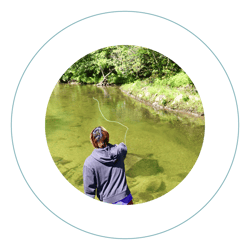 Fly Fishing
 Hiking
 Kayaking
 Paddle Boarding
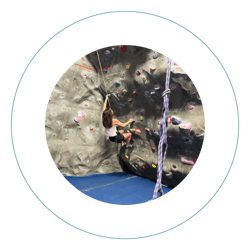 Climbing Rock
 Softball
 Surfing
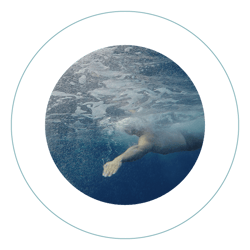 Swimming
 And More
Licensed for Dual Diagnosis
Mental health and trauma are our primary focus, and sometimes they come with other challenges attached. Momentum Recovery is dually licensed for mental health and substance use treatment. When substance use is part of someone's story, we treat it alongside the mental health and trauma beneath it, with the same team in the same community. No one has to choose which problem to work on first, or go to a separate program for it.