
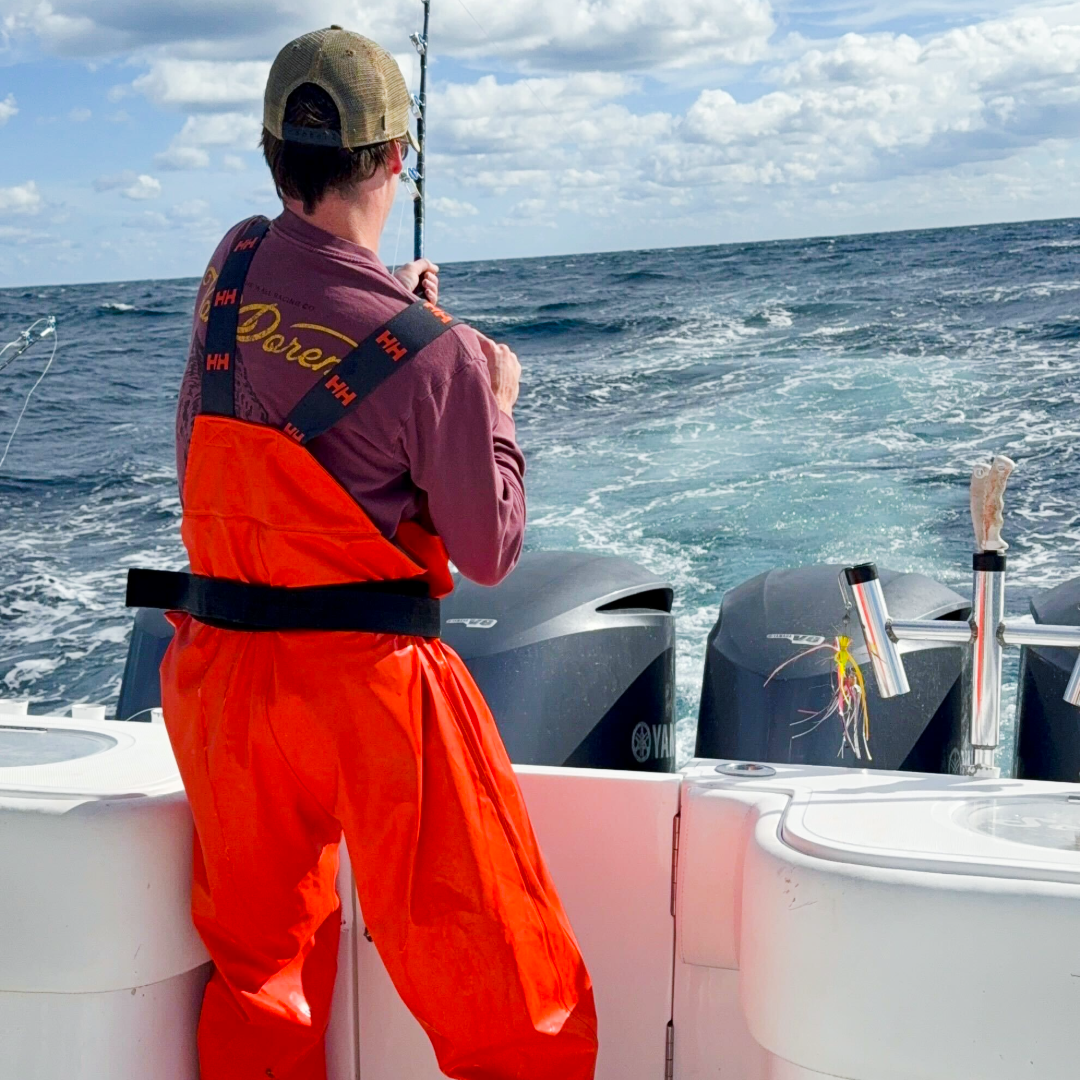
The terms get used interchangeably in treatment brochures, on program websites, and in conversations between families trying to figure out what their options are. Adventure therapy. Wilderness therapy. Outdoor behavioral healthcare. Nature-based treatment.
They sound like variations on the same idea. They are not.
Understanding the difference matters, particularly for young adults navigating co-occurring mental health and substance use disorders, because the format of treatment shapes what the treatment can actually do. Choosing the right approach is not a minor logistical detail. It is a clinical decision.
Two Different Models, Two Different Environments
Wilderness therapy is immersive by design. Participants are removed from their home environment, often for weeks at a time, and placed in a remote natural setting. The landscape itself is part of the intervention. Hiking, camping, survival skills, and extended time in nature create the conditions for reflection, challenge, and change. The isolation is intentional. Distance from ordinary life is considered therapeutic.
Adventure therapy operates differently. Rather than removing someone from their life, it integrates clinical treatment with structured physical challenge, typically within or near a primary treatment program setting. The activities, surfing, kayaking, rock climbing, ropes courses, snorkeling, are used as vehicles for clinical work. A trained therapist facilitates the experience and the reflection that follows. The outdoor environment is a tool, not the totality of the treatment.
Both approaches have meaningful research support. The question for any particular young adult is which model fits their clinical profile, their developmental needs, and their treatment goals.
What the Research Says About Each
A 2019 study published in Children and Youth Services Review, drawing on responses from 148 adolescent wilderness therapy clients in treatment for substance use and mental health issues, identified six consistent outcome themes: social dynamics, the wilderness environment as a catalyst for change, skill development, improved self-concept, and health gains. Participants described the wilderness not just as a backdrop but as an active force in their recovery. The separation from ordinary life, and the demands of navigating an unfamiliar environment, created psychological openings that more familiar settings had not.
A 2022 meta-analysis reviewing the effects of wilderness therapy across multiple studies found consistent reductions in problematic behavior and improvements in self-regulation among youth participants, with effect sizes that held across different program structures and populations. The research also noted that outcomes were strongest when wilderness interventions were integrated with clinical frameworks rather than delivered as standalone outdoor experiences.
That integration piece is where adventure therapy, when done well, tends to have a structural advantage for young adults who are staying in or returning to their communities. The clinical work does not pause between activities. It runs through them.
Why Integration Matters More Than Setting
There is a tendency in both models to let the environment do the heavy lifting. It is a real risk. A challenging hike or a week in the backcountry can produce powerful moments. But without clinical scaffolding, those moments don't always translate into lasting change once someone is back in their regular life.
As the research behind experiential treatment consistently shows, the therapeutic impact of physical challenge is amplified when it is deliberately connected to treatment goals, processed with a trained clinician, and embedded within a broader care structure that includes individual therapy, group work, and evidence-based modalities like CBT, DBT, and trauma-informed care.
For young adults who are also contending with anxiety, trauma, or undiagnosed mental health conditions, the experiential component is not a substitute for that clinical depth. It is what makes the clinical depth accessible.
Where Momentum Recovery Fits
Momentum Recovery is not a wilderness program. There are no remote locations, no multi-week backcountry expeditions, no deliberate separation from home. What Wilmington offers instead is a coastal environment that becomes an active part of the clinical model, where surfing, kayaking, paddleboarding, and aquatic experiences are facilitated by trained clinicians as intentional components of dual diagnosis treatment for young men and young women.
The distinction matters because the goal was never the ocean. The goal is what the ocean makes possible inside a treatment structure designed to hold it.
Want to understand more about how experiential treatment fits into our clinical model? Reach out to our team.